Every writer, student and content marketer eventually faces the same worry: is my text really original? Using a verificador de plagio online before you hit publish or submit is now one of the simplest ways to answer that question with confidence.
Why Originality Matters More Than Ever
Search engines reward fresh, useful content and quietly demote pages that repeat what already exists. Universities and publishers go further, treating copied passages as a serious integrity issue. Even honest writers can end up with overlapping text by accident, especially after reading many sources on the same topic.
Memory plays tricks. A sentence you read last week can resurface in your draft as if it were your own. A checker catches these echoes before a reader, editor or algorithm does.
How an Online Checker Actually Works
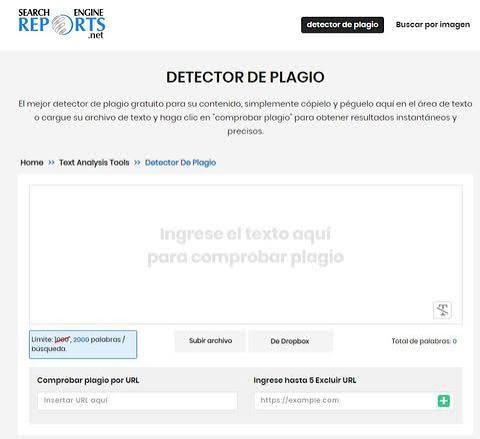
When you paste your text into a plagiarism tool, the software breaks it into small phrases and compares them with a huge index of web pages, journals, books and previously submitted documents. Matches are highlighted, and each one points to the likely source.
Modern tools go beyond exact matching. They also notice lightly reworded passages, where a few synonyms have been swapped but the structure remains identical. That is why a careful scan often finds problems that a simple search for a copied sentence would miss.
Who Benefits Most
-
Students use checks to confirm that citations are in place and quotations are marked properly before submitting essays and theses.
-
Bloggers and SEO writers use them to make sure articles are distinct from competing pages, which protects rankings and brand reputation.
-
Freelancers and agencies run every delivery through a scan, so clients receive work they can trust.
-
Teachers and editors rely on reports to review submissions quickly and fairly.
What to Look for in a Good Tool
Not all checkers are equal. Before choosing one, consider these points:
-
Accuracy: it should detect both exact copying and paraphrased overlap without flagging common phrases unfairly.
-
Clear reports: highlighted passages with source links make fixing issues quick.
-
Speed: results in seconds keep you moving through your editing workflow.
-
Privacy: your draft should never be stored or reused without permission.
-
Language support: if you write in Spanish, English or other languages, the tool should handle them well.
A Simple Workflow You Can Follow
-
Finish your draft and read it through once without checking anything.
-
Run the full text through a trusted verificador de plagio and review every highlighted section.
-
For each match, decide whether it is a proper quotation, a common phrase, or text that needs rewriting.
-
Rewrite flagged passages in your own voice, add citations where needed, and quote directly only when the exact wording matters.
-
Scan again to confirm the final version is clean.
This routine takes only a few minutes, yet it can save you from rejected assignments, lost rankings or awkward conversations with clients.
Common Mistakes to Avoid
Many people assume that changing a few words is enough. It is not, because modern detection looks at sentence structure and meaning patterns as well. Another mistake is checking only the final paragraph or a single section. Plagiarism can hide anywhere, so scan the entire document.
Finally, do not treat a low similarity score as a guarantee. Read the report itself. A single unattributed paragraph matters more than ten harmless shared phrases.
Final Thoughts
Originality is not just a rule to follow; it is what makes your writing worth reading. By building a quick scan into every project, you protect your reputation, respect other authors and give your audience something genuinely new. Make checking a habit, and publishing becomes far less stressful.



Share this page with your family and friends.