Ask most couples when they picture their wedding, and you'll hear June, September, or maybe a golden October afternoon. Almost nobody dreams of a February ceremony or a wedding tucked into the last week of January. Yet some of the most memorable, most personal, and most financially sane weddings happen precisely in those overlooked months. This guide walks through what "off season wedding venues " really means for venue hunting, why it works in your favor, and how to choose a space that turns a quiet calendar date into a striking celebration.
What Counts as "Off-Season," Exactly?
Off-season isn't a fixed date on every calendar — it shifts depending on climate and region. In most of North America and Europe, peak wedding demand clusters around late spring through early fall, roughly May through October. That leaves November through April as the traditional off-season window, though the exact boundaries move depending on where you live. A coastal venue might consider hurricane season its off-peak stretch, while a mountain lodge might see its quietest bookings in mud season, right between ski runs and summer hiking.
Knowing your local off-season pattern — not the generic national one — is the first real strategic step, because venue pricing and availability follow local demand, not a universal calendar.
The Venue Owner's Perspective: Why They Want You There
It helps to think like the person running the venue for a moment. An event space with no bookings on a random Tuesday in February isn't earning anything that day. A couple willing to fill that date is solving a real problem for them, not just requesting a favor. That shift in leverage is the entire reason off-season venues become so much more flexible — on price, on included extras, and on scheduling.
This dynamic also means venue staff often have more bandwidth to give your event individual attention, rather than juggling three back-to-back Saturday weddings in peak July.
Types of Venues That Shine in the Off-Season
Different venue categories react to seasonal shifts in very different ways. Matching the right type to the right month matters more than people expect.
Historic Estates and Manor Houses
Interior-focused estates with grand fireplaces, libraries, and formal dining rooms often look better in cooler months. A roaring fire and warm lighting against a snowy window creates atmosphere that summer sunshine simply can't replicate.
Urban Lofts and Industrial Spaces
Exposed brick, factory windows, and open floor plans don't rely on outdoor scenery at all, making them naturally season-proof. These spaces tend to book heavily in summer for their light, but sit wide open in winter.
Vineyards and Orchards
Counterintuitively, the "dormant" season at a working vineyard can be visually striking — bare vines in orderly rows, muted colors, and dramatic skies offer a completely different aesthetic than the lush green of harvest season, at a fraction of the cost.
Botanical Gardens and Conservatories
Glass-domed conservatories solve the outdoor-weather problem entirely. A tropical greenhouse wedding in the dead of winter creates a striking contrast between the frost outside and the greenery within.
Ski Lodges and Mountain Retreats
These flip the seasonal script entirely — their busiest, priciest weeks are winter, meaning couples chasing a snowy wedding photo might actually pay a premium here, while late spring or early fall becomes the true bargain window.
See more: bay area wedding sites
The Financial Case, Beyond Just "Cheaper"
Lower base pricing is the headline, but the real savings compound across the entire vendor chain. Photographers, florists, caterers, and musicians all follow the same demand curve as venues. A photographer who charges a premium for a Saturday in June often has considerably more room to negotiate for a Thursday in January. When every vendor on your list has more open dates, your entire budget shifts in your favor — not just the venue line item.
There's also a quieter financial benefit: guest travel costs. Flights and hotel rooms during off-peak travel windows tend to run lower too, which can meaningfully reduce the financial burden on guests traveling from out of town — a factor increasingly on couples' minds when choosing dates.
Questions Worth Asking Before You Book
A great off-season deal can turn sour if the venue can't handle the practical realities of the date. Before signing anything, dig into:
-
Climate control capacity — Can the space comfortably heat (or cool) itself for the number of guests you're inviting?
-
Backup plans for weather-sensitive elements — If part of your vision depends on an outdoor ceremony space, what's the contingency?
-
Daylight hours — Winter dates mean the sun may set by late afternoon; ask how this affects your photography timeline and lighting setup.
-
Accessibility during the season — Rural or elevated venues may face road conditions in winter that don't apply the rest of the year.
-
What's actually included in the lower rate — Sometimes off-season pricing excludes certain amenities that are bundled into peak-season packages by default.
Designing Around the Season Instead of Fighting It
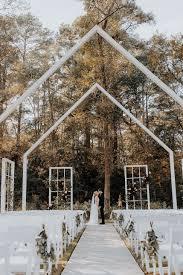
The couples who get the most out of an off-season wedding tend to lean into the season's character rather than trying to force a summer aesthetic into a winter date. A late-autumn wedding with deep jewel tones, candlelight, and warm textiles reads as intentional, not compromised. A late-winter wedding built around dramatic florals against bare branches can feel more editorial than anything achievable in peak bloom season, precisely because it's unexpected.
Final Thoughts
Choosing an off-season venue isn't just a budget workaround — it's a genuine design decision that can produce a wedding with more personality, more vendor attention, and more room to breathe than a compressed peak-season Saturday ever allows. The trade-off is real (weather variables, shorter daylight, occasional travel complications), but for couples willing to plan around it, the quiet months often deliver the loudest, most memorable results.
See more blogs: Visit Here




Share this page with your family and friends.